Why Are Cats So Much Pickier Than Dogs When It Comes to Food?
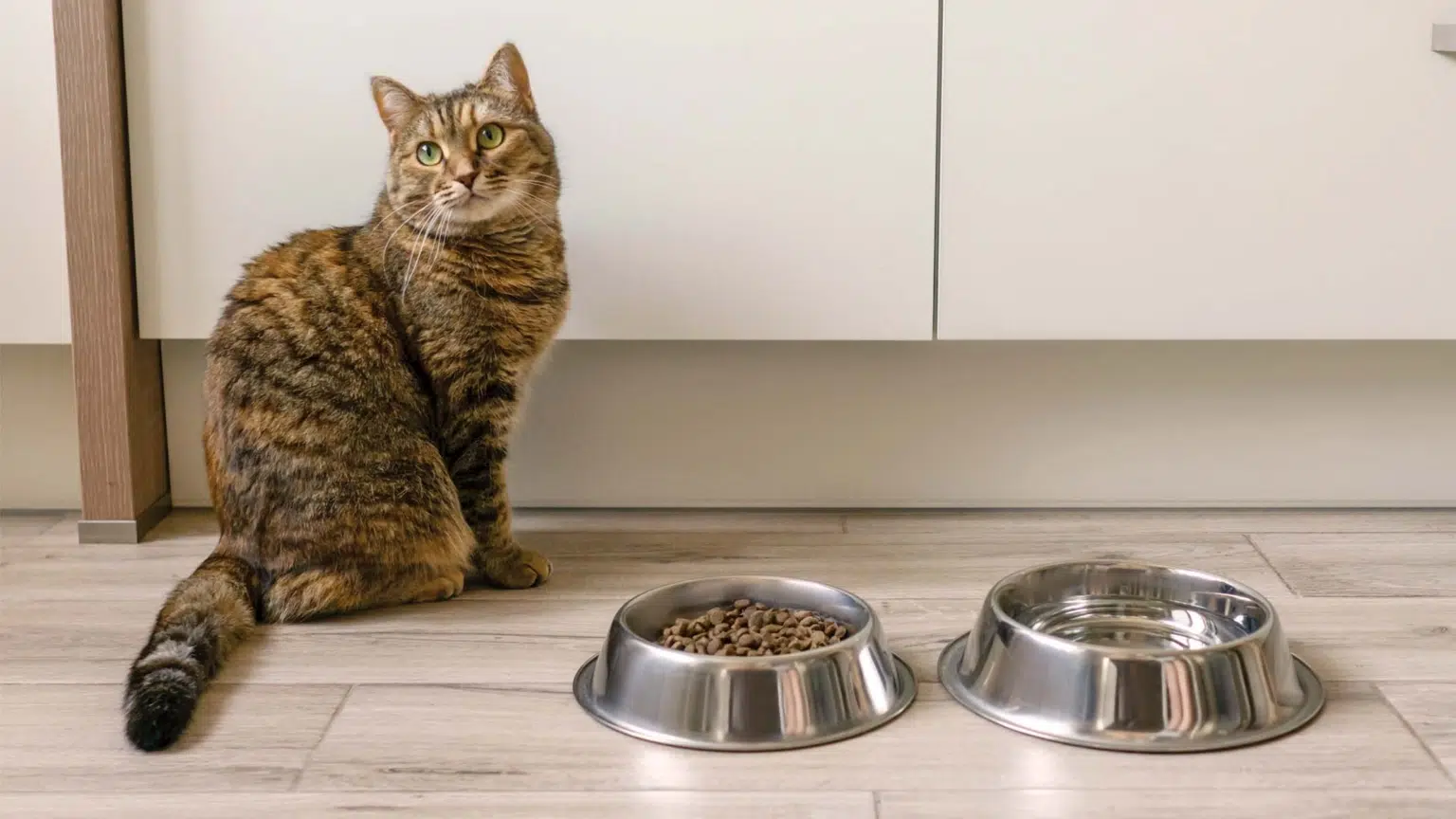
If you’ve ever watched a dog enthusiastically gobble up almost anything while your cat turns up its nose at a perfectly good meal, you’re not alone. Cats are generally much pickier eaters than dogs, and the reason comes down to biology, evolution, and their unique senses.
Why are cats pickier than dogs?
Cats are obligate carnivores, meaning they evolved to eat mostly meat. Dogs, on the other hand, are more adaptable omnivores and can thrive on a wider variety of foods. As a result, dogs are less picky while cats tend to be more selective about what they eat and rely heavily on smell, texture, and temperature when deciding whether food is acceptable.

Cats Have a Different Sense of Taste
One reason cats can seem picky is that they experience food differently than dogs do. Cats have fewer taste buds than dogs and far fewer than humans. In addition, they lack the receptor needed to detect sweetness (Tas1r2), which means sugary foods don’t really appeal to cats. Instead, our feline friends are more sensitive to flavors associated with meat, fats, and amino acids, which makes sense when you consider cats are obligate carnivores that need to eat meat to survive.
Smell Matters More Than Taste to Cats
While humans often focus on taste, cats depend heavily on their sense of smell when evaluating food. A cat may reject food that smells strange, stale, or simply different from what they’re used to. In fact, many cats decide whether they want to eat something before they even take a bite. This is why warming wet food slightly can sometimes make it more appealing. The aroma becomes stronger and more closely resembles fresh prey.
Cats Prefer Familiar Foods
Dogs are often eager to try new things. Cats, on the other hand, tend to be much more cautious. In the wild, eating the wrong thing could be dangerous. As a result, many cats are naturally suspicious of unfamiliar foods, a behavior known as food neophobia. If your cat suddenly refuses a new recipe or flavor, it may simply be following its instincts.
Texture Can Be a Dealbreaker
Some cats love pâté but refuse chunks in gravy. Others prefer crunchy kibble and ignore wet food entirely. Texture plays a major role in food acceptance. Cats can develop strong preferences for certain consistencies, shapes, and moisture levels, which is why it’s important to expose your feline friend to different types of cat food early in life.

Cats Are Creatures of Habit
Cats generally thrive on routine. Changes in their environment, feeding schedule or bowl location can affect how willing they are to eat. Some cats will happily eat treats off the floor but refuse them when offered from your hand. Dogs are often more flexible, while cats tend to notice and react to even small changes.
Can Cats Become Less Picky?
Yes, you can make your cat less picky although patience is key. When introducing a new food, gradual transitions are usually more successful than sudden changes. It’s also important to ensure food is fresh, served at an appealing temperature, and presented in a clean dish. Offering a variety of cat-safe foods and textures from an early age can help prevent extreme selectiveness.