Why Sharing Isn’t Always a Good Idea in the Cat World
We’re told that sharing is caring, but when it comes to cats, the rules are a little different. Knowing why sharing doesn’t always work for cats, and which items they really shouldn’t share, can help keep your cat happy and avoid behavioral problems.
Are Cats Naturally Social Animals?
Cats are social animals that can build close bonds with both people and other animals. However, even in the wild, they don’t live in tight groups like dogs or wolves do. Instead, cats tend to have their own territory, both outdoors and at home, which is why they like having their own space and belongings, even if they get along well with other pets.
Which Items Should Cats Not Be Forced to Share?
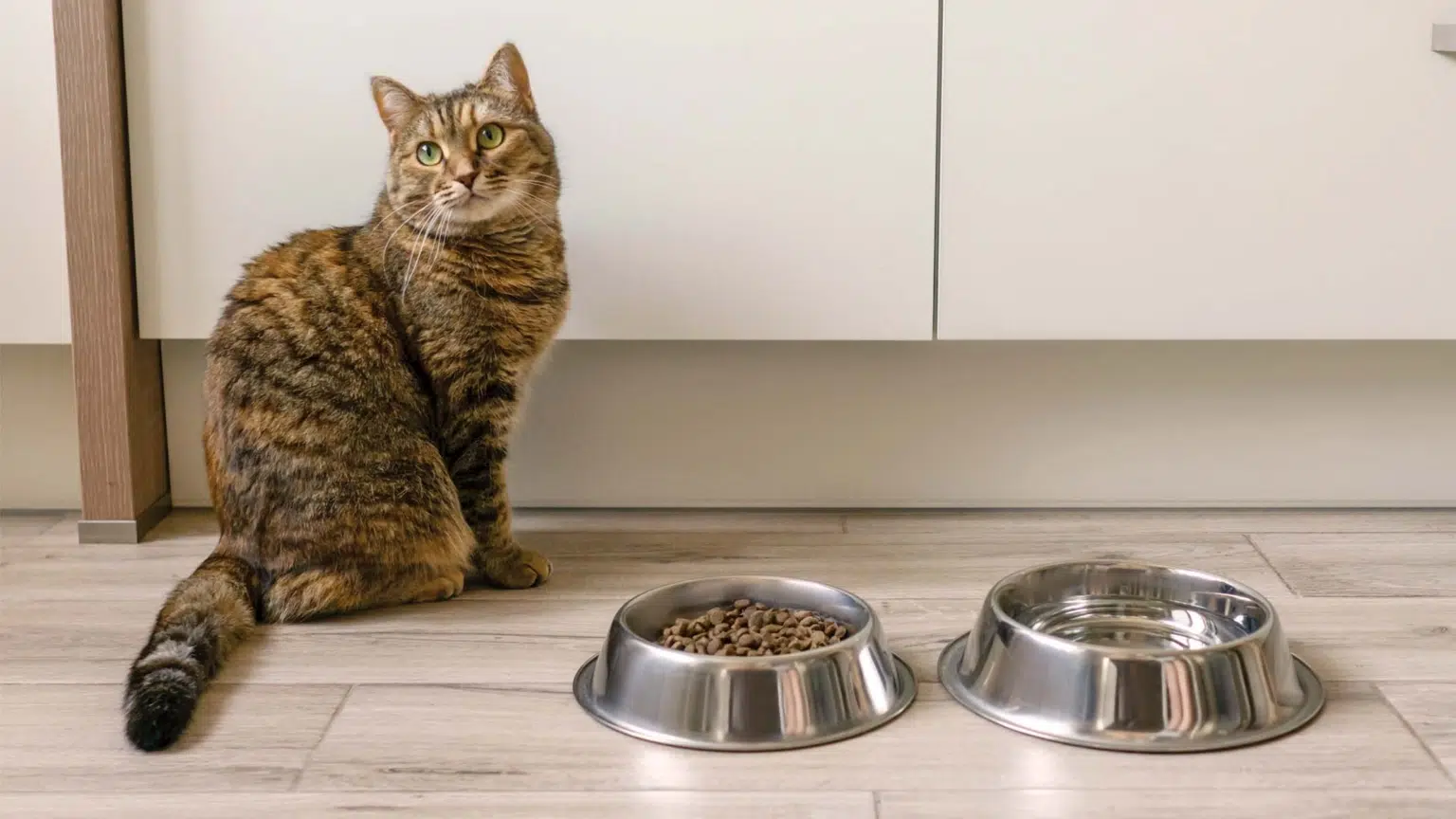
To reduce stress and avoid conflict between your pets, certain items should always be available for each cat. We’re talking about:
- Food dishes
- Water bowls or fountains
- Litter boxes
- Sleeping spots
- Scratching posts
The rule of thumb for litter boxes is one litter box per cat, plus one extra. But what happens when cats do have to share essentials?

What Happens When Cats Are Forced to Share?
While cats often don’t mind sharing trivial things like toys, having to share essentials such as food or the litter box can lead to various issues, including:
1. Stress and Anxiety
Cats may feel constantly on edge if they have to compete for food, water, or resting spots. After all, no one likes queuing for snacks, sharing their drink, or fighting over the best seat in the house.
Signs your cat is stressed or anxious include:
- Hiding more often
- Overgrooming
- Eating less
- Meowing a lot
The best way to prevent stress is to provide each cat with their own resources. If that’s not an option, pheromone sprays can help, too.
2. Territorial Conflicts
Even cats that seem like besties can get a little dramatic when they have to share things that matter to them. After all, in their eyes, the items belong to their territory and must be defended. This can lead to:
- Hissing, growling, or swatting
- Blocking access to food or litter boxes
- Silent tension (staring, avoiding)

3. Litter Box Issues
Most cats love some bathroom privacy, so if the box feels crowded, dirty, or claimed by someone else, behavioral problems can start. Your cat may start peeing outside the box, avoid using it altogether, or even develop long-term negative associations that take a lot of time and effort to undo.
The good news? Most of the time, litter box issues are easy to prevent. A simple rule is to provide one litter box per cat, plus one extra. So, if you have three cats, aim for at least four litter boxes. Keep them clean with daily scooping, and you’ll greatly reduce the chances of stress, accidents, and bathroom-related cat drama.
How to Create a Low-Stress Multi-Cat Environment
To help prevent fights, tension, and unwanted behaviors, a few simple changes can make a big difference:
- Don’t force your cats to share essential items like food bowls, water stations, beds, or litter boxes. Everyone appreciates their own space.
- Avoid placing all essentials in one room, especially litter boxes. Divide them over several rooms so no cat has to pass a gatekeeper to use the bathroom or have a snack.
- Provide vertical spaces such as shelves or cat trees where your cats can climb, relax, and supervise the household like tiny furry managers.